Chapter Two

Your thesis isn't the finish line.

It is the beginning of your next chapter.

A PhD teaches you how to conduct research. Except, what you miss out on is how to navigate academic feedback, build confidence, communicate your expertise, prepare for industry, or create a meaningful career beyond academia.

Chapter Two is a LIVE five-week programme designed to help researchers develop the mindset, confidence and professional skills that Universities don't always have time to teach.

Individual enrolment: $300 AUD. University cohorts and institutional delivery available POA. 

"A PhD doesn't just produce a thesis. It produces a highly capable individual!

Chapter Two is about recognising that capability, communicating it with confidence, and using it to create impact, wherever your career leads"

Dr Angela GenoniFounder & Facilitator

Many PhD's quietly battle with:

  • Imposter syndrome
  • Perfectionism
  • Constant criticism
  • Isolation from friends and family
  • Wondering whether they are 'good enough'
  • Unsure of what path to take after completion

These experiences are often part of even the most outwardly succesful journeys you are watching. Outside academia, doing a PhD is amazing, but inside academia, this is not the case! The disconnect in experience here can be tough to negotiate, especially when you add in the pressure to publish, apply for grants, post-docs or teaching.

Only around 25% of PhD graduates end up staying in academia, so thinking about broadening your scope and using your expertise in different ways BEFORE you finish, can set you up for success. 
Research should build your FUTURE, not just your thesis

The purpose of Chapter Two is to leave you feeling:   Confident in your expertise. Comfortable receiving feedback. Able to communicate your research clearly. Aware of the many careers available beyond academia. But mostly, Excited about the journey that comes next.  

What you'll learn

Week One: Building the Mindset to Thrive

Understanding the emotional challenges of research. Topics include: imposter syndrome perfectionism resilience academic feedback confidence building sustainable habits   Outcome: Develop the mindset needed to thrive throughout your research journey.

Week Two: Owning Your Expertise

Recognising the value of your research beyond publications. Topics: transferable skills scientific identity confidence communicating your value recognising your strengths   Outcome: See yourself as a highly skilled professional. We go beyond the  "just a student" mentality.  

Week Three: Communication beyond Academia

Learning how to explain your expertise to the world. Topics: LinkedIn networking public speaking communicating science building visibility creating opportunities   Outcome: Develop a professional profile that extends beyond your University.

Week Four: Exploring Chapter Two

Understanding the opportunities beyond traditional academic careers. Topics: industry consulting advisory entrepreneurship government science communication commercialisation   Outcome: Gain clarity on the many ways your expertise can create impact.

Week Five: Designing your next Chapter

Turning ideas into action. Topics: career mapping networking finding mentors building confidence creating a personal roadmap   Outcome: Leave with a clear vision for your next chapter.

Meet your facilitator.

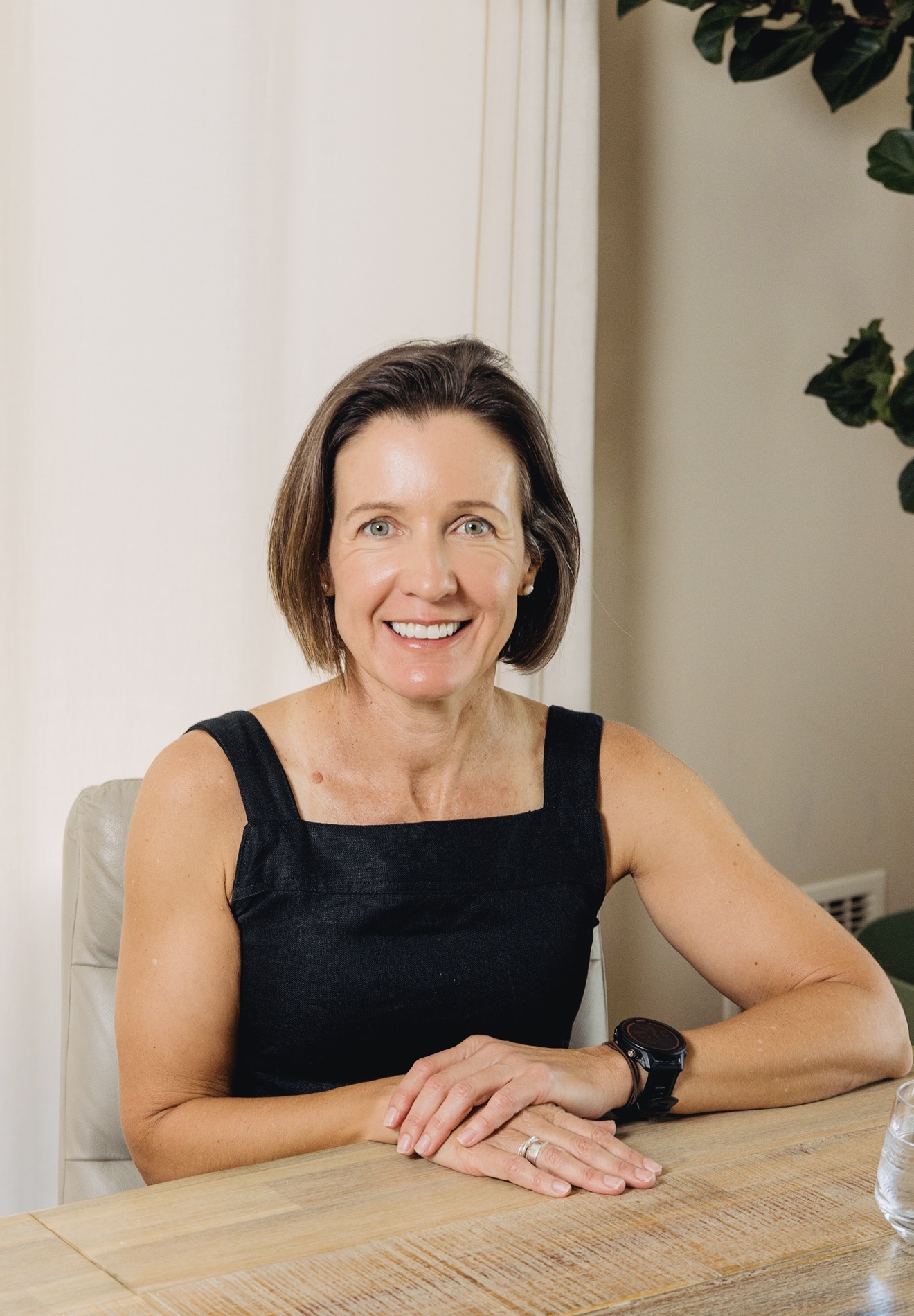
Angela Genoni, PhD.

Scientist. Educator. Author. Entrepreneur. Angela completed her PhD while raising three young children and has since built a career spanning academia, food science, scientific communication, entrepreneurship and industry collaboration. Rather than teaching theory alone, Angela shares the lessons she wishes someone had taught her candidature and the practical skills that helped her translate research into a meaningful career beyond academia. Academia is not for everybody, but the skills you learn during a PhD are exceptionally valuable outside it. Learning how to sell this is the missing piece.

Individual enrolment: $300 AUD. University cohorts and institutional delivery available POA. 
©️ Gut Science, 2026